Conversation Guide: Alcohol and Drugs
Your Role Matters
As students navigate their new surroundings, they will face decisions about alcohol. Data shows that our students drink at higher rates than national averages; however, our data shows that more and more students coming to our campus do not drink at all.
Tips for Talking About Alcohol and Drugs with Your Student
- Avoid scare tactics: Don’t share information, stories, or statistics with the intention to raise awareness through fear. Remember, you’re having this conversation with your student to set them up to succeed, not to leave them worried.
- Connection over relatability: In conversation with your student, you may think talking or joking about your own past experience may offer a point of connection. However, be mindful to avoid glamorizing any past alcohol or drug use.
- Focus on community and connection: Alcohol is not part of the college experience for many students, and the university offers many opportunities to find community and a sense of belonging that do not involve alcohol or drugs. In your discussions with your student around alcohol or drugs, consider discussing their plans to get involved with campus life—through student organizations, interest-based activities, or volunteering in the community.
- Empower their choices: Comments like, “Everyone drinks in college,” can normalize alcohol use and inadvertently pressure students to participate in alcohol culture. Students are increasingly choosing not to drink—from our data, over 40% of incoming students do not use alcohol!
Starting the Conversation
Proactive Conversations
Before your Student Heads to Campus
- Use open-ended questions: Move beyond “yes or no” questions to allow your student a chance to open up.
- How will you decide whether or not to drink?
- Have you thought about what you will do if you feel pressured to drink?
- What are your thoughts about drinking in college?
- What does a “good night” look like to you socially?
- Discuss plans and boundaries: Encourage your student to think proactively about their health and safety and the health and safety of their community.
- What’s your plan if you’re in a situation that feels uncomfortable or unsafe?
- What are some personal rules or boundaries you want to set for yourself?
- What would make you decide not to drink or use something in a given moment?
Checking in From Afar
After your Student is on Campus
- Keep it casual and curious rather than investigative:
- What’s the social scene been like so far?
- Have you felt any pressure around drinking or drugs?
- What if anything has surprised you?
- How are you feeling about your choices in those situations?
- If something has already happened, be supportive, not punitive: Focus on reflection and safety rather than consequences:
- How did that experience feel for you?
- What, if anything would you do anything differently next time?
- What did you learn from that situation?
- How can you take care of yourself moving forward? What kind of support would be helpful right now?
Alcohol and Drug Resources
Alcohol and other drug assessment
Assessment provides an opportunity to meet one-on-one with an alcohol and drug specialist, who will evaluate the nature of any problems a student has with alcohol or drugs. The assessment gets the student involved through discussion of biological, psychological, and social factors affecting alcohol and other drug use and misuse. If necessary, the counselor can make recommendations for further treatment.
eCheckup
W–Madison has two online programs available to students who are interested in examining their relationship with alcohol and/or marijuana. By taking Alcohol eCheckup or Cannabis eCheckup, students can learn more about their own substance use habits, compare their behaviors to those of their peers, and find helpful campus resources.
Badger Recovery
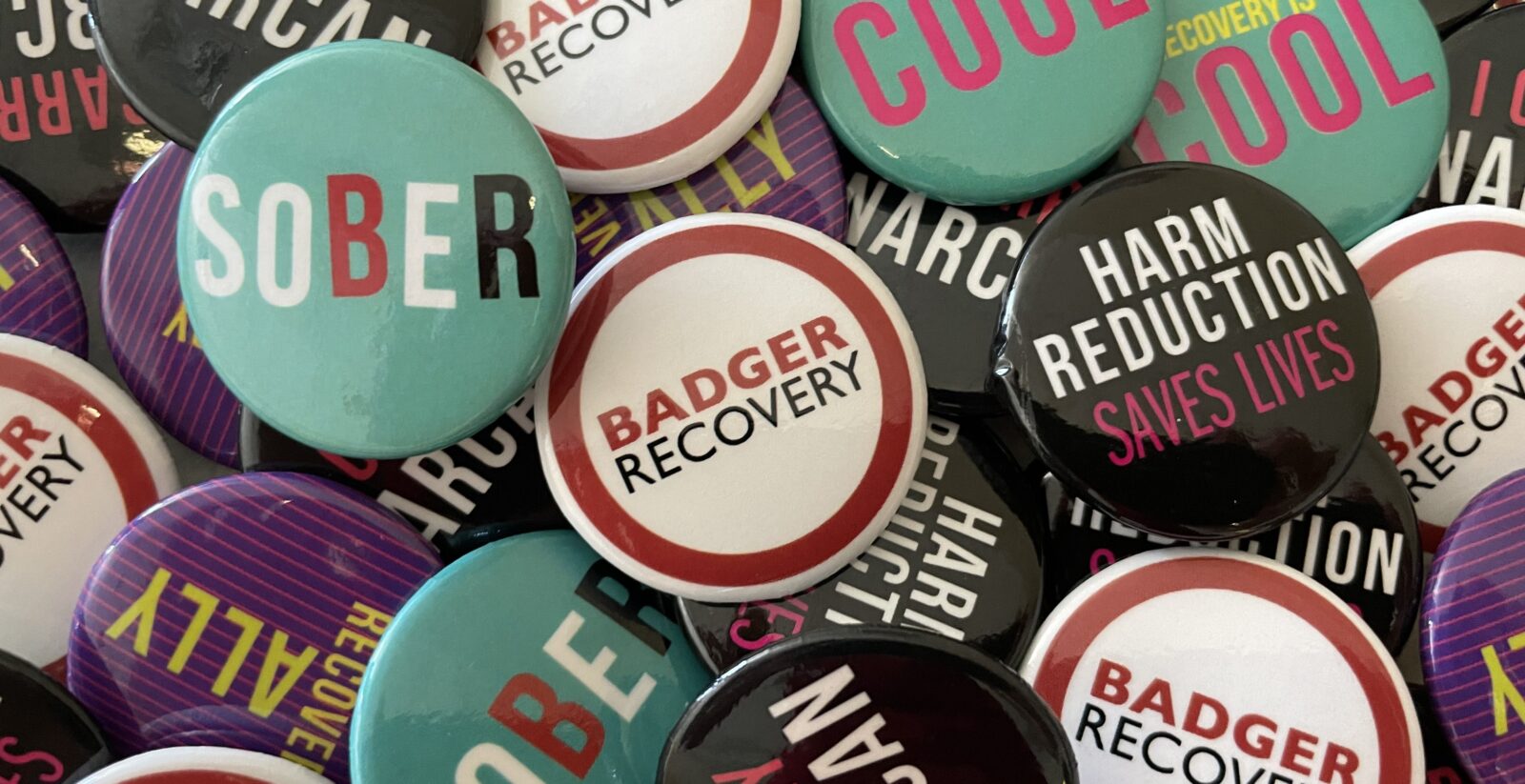
Badger Recovery connects and supports students in or considering recovery from addiction. This may include, but is not limited to: alcohol use, cannabis use, eating concerns, gaming addiction, and other addictive behaviors. Through opportunities like social events, peer-led recovery meetings, and recovery coaching from staff in recovery, our collegiate recovery program helps students not only maintain their recovery and achieve their academic goals, but also thrive and find belonging on campus.
Naloxone On Campus
As part of a large effort to support campus safety, UW–Madison offers harm reduction resources, such as Naloxone and fentanyl test strips. These resources can prevent opioid overdose and save lives.
Policies
- Alcohol Policies: UW–Madison, in compliance with state law, prohibits the use and possession of alcoholic beverages by persons under age 21. UW–Madison utilizes two programs—Choices About Alcohol and BASICS—to help students who are found responsible for violating our alcohol and drug policies make educated decisions in the future.
- Amnesty Through Responsible Action: When someone is in danger, UW–Madison students are protected when they seek immediate assistance, such as calling 911. Amnesty through Responsible Action is a UW–Madison policy that applies to disciplinary actions related to the caller’s personal consumption of alcohol as well as the person they are calling for.
This means that students will not be found responsible for policy violation if they or the person they’re calling for is drinking underage. The purpose of this policy is to create a situation where responsible action is encouraged and expected and applies both on and off campus through the UW–Madison Police Department and the Madison Police Department.
Involvement
There are many ways for students to find connection without alcohol and get involved in preventing alcohol- and drug-related harm. Here are just a few.
- Associated Students of Madison is UW’s official student governance body, focusing on issues that affect students.
- End Overdose is a student organization that supports harm reduction and overdose prevention efforts.
- The Well is a wellness-focused space led by the Wisconsin Union Directorate Wellness committee that aims to foster a vibrant, substance-free campus culture, promote mental health and wellness, and encourage meaningful connections among students.
- Wisconsin Late Night offers events for students at UW–Madison on Fridays & Saturdays from 9 p.m.–12 a.m. This “Alcohol Alternative Programming” provides a safe & productive space for students to come together on the weekends. through the UW–Madison Police Department and the Madison Police Department.